The Enduring Popularity of Jazzercise

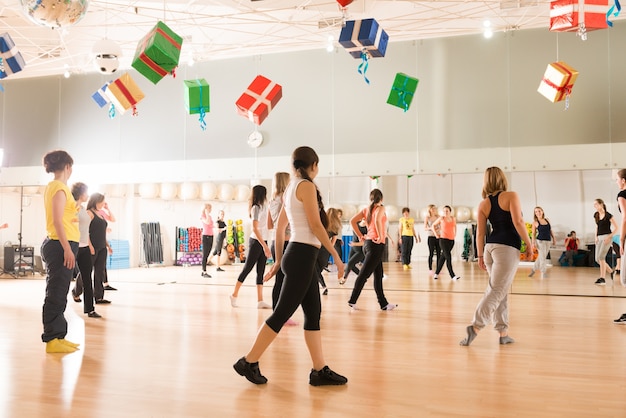
Dance class for women Free Photo

A longtime community volunteer in Greater Austin, Texas, Nancy Naeve has retired from leadership positions with the Lost Creek Neighborhood Association and the Lost Creek Municipal Utility District. Nancy Naeve stays physically fit by regularly participating in Jazzercise classes.

Founded by Judi Sheppard Missett more than 50 years ago, Jazzercise was a cultural phenomenon in the 1980s. Industry experts credit the dance-based exercise program with giving birth to the diverse boutique fitness revolution of today.

Although is now commands a far smaller part of the market share, Jazzercise remains alive and well today. In 2019, Glamour Magazine reported that the Jazzercise franchise brought in more than $2 billion in sales through a network of 8,500 locations that spanned 25 countries, holding roughly 32,000 classes per week.

In addition to its widespread brick-and-mortar exercise studios, Jazzercise offers virtual classes online that are accessible at any time and from any location with wi-fi. These classes require no equipment whatsoever.

Firewise Community Program Encourages Local Wildfire Preparedness

A community advocate and resident of Austin, Texas for more than 40 years, Nancy Naeve has held several leadership positions within the Lost Creek Neighborhood Association and the Lost Creek Garden Club. Additionally, Austin resident Nancy Naeve spent 12 years as a member of the board of directors with the Lost Creek Municipal Utility District (MUD), in which role she organized the removal of dry underbrush in the Whitemarsh Valley walk greenbelt.

Dry underbrush presents a fire hazard, as it provides high ladder fuel that allows a wildfire to spread out of control, often with devastating effects. Thanks to the efforts of the MUD board in removing this underbrush, Lost Creek became a member of Firewise Communities/USA, a national organization that encourages local action to prevent wildfires.

According to the National Interagency Fire Center, between 87 and 96 percent of wildfires are caused by humans. The Firewise Community program provides specific guidance for homeowners regarding wildfire preparedness, encouraging communities to work together to prevent losses. Since beginning in 2002 with 12 pilot neighborhoods, the program now has 1000 active member communities in 40 states.

Lady Bird Johnson Wildflower Center – Home to Native Plants

A member of the Lost Creek Municipal Utility District Board of Directors for the last 12 years, Nancy Naeve of Austin, Texas retired from the position in November 2016. Nancy Naeve is an active member of the Austin-based Lost Creek Home and Garden Club which provide connections among Lost Creek residents through educational events and field trips.

Among the Lost Creek Home and Garden Club’s field trip destinations has been the Lady Bird Johnson Wildflower Center at the Botanic Garden of Texas. Operated by the University of Texas at Austin, the Wildflower Center aims to inspire conservation efforts through outreach and educational programs, as well as its renowned gardens.

The gardens are home to nearly 900 species of native Texas plants and wildflowers, which create sustainable landscapes that conserve water, clean the air, mitigate flooding, and provide habitats for a variety of wildlife. Visitors can experience a woodland garden or pollinator habitat garden and can also see examples of how to implement sustainable gardens into their home designs.

Benefits of Residential Parks

Committed to community service, Nancy Naeve has dedicated her career to improving the quality of living in Austin, Texas. Nancy Naeve served in various leadership positions in Austin-based civic groups, such as the Lost Creek Neighborhood Association and the Lost Creek Municipal Utility District (MUD) board. Among her greatest achievements, she helped with efforts to create two public parks among Lost Creek’s 1,250 homes.

Parks are a vital amenity for any community and should, therefore, be a top priority for community planners. Parks provide residents and the community with social, health, environmental, and economic benefits, some of which are highlighted below.

1. Parks protect natural ecosystems by providing a natural habitat for animals that are left without homes as neighborhoods continue to experience growth.

2. Residential parks offer a community connection space where residents can come together, interact, and form friendships. When people have more opportunities to connect, they can help each other in times of need, thereby enhancing the overall wellbeing of the community.

3. Parks offer an excellent learning environment for kids beyond the traditional classroom setting. They offer children hands-on learning approaches to match various styles of learning as well as teach kids about the importance of environmental conservation.

4. Green infrastructure in parks allows neighborhoods to have interconnected green spaces which is a key ingredient for the ecological framework needed for both economic and environmental stability with benefits such as a clearer air and cleaner water.